

Stainless steel appliances can quickly lose their shine due to fingerprints, streaks, and everyday use. This guide shares five simple, effective cleaning tips to keep your kitchen looking clean, polished, and streak-free all year round.


A stainless steel appliance looks amazing when it is clean. But the shine does not seem to last long. One touch, one splash or one fingerprint and the surface becomes dull once more.
You are not the only one when you think you need to clean your fridge, oven or any stainless steel appliance regularly. The good news is that there is no need to make cleaning stainless steel appliances challenging or time-consuming. With a proper technique and certain tricks, you will be able to make your kitchen bright and fresh every day.
This guide outlines five simple, tested tips that do work. No confusing steps. Basic hints that you can use right now.
Stainless steel is a powerful material, but not scratchproof and stainproof. The surface is finely grained and may trap grease, water marks and dust.
You can easily leave marks or even destroy the finish when it is washed improperly. This is the reason why it is necessary to clean the stainless steel appliances in a careful and delicate manner.
As soon as you know the way the surface works, it becomes much easier and quicker to clean.
Read more: From Dust to Shine: Advanced Cleaning Techniques for Every Surface
You do not need to work hard to keep your appliances shiny. These are five tips that you can use to keep your stainless steel shiny.
Take a closer look at your stainless steel appliance. You will notice some thin lines that are either running up and down or in a horizontal manner. The lines are referred to as the grain.
When cleaning the stainless steel appliances, always wipe in the direction of the grain. This assists in eliminating dirt without forcing it further into the surface.
When wiping either circularly or across the grain, then you can leave traces or little scratches.
This is a basic practice that can help your appliances look smoother and cleaner.

Paper towels might be soft; however, they can scratch stainless steel with time. They also leave lint behind, and this leaves surfaces appearing dusty once again.
Microfiber cloths are preferred to clean stainless steel appliances. They are soft, reusable and highly efficient in picking up grease and dirt.
Final wiping should always be done using a clean, dry cloth. This assists in avoiding streaks and watermarks.
Read more: Kitchen Deep Cleaning Guide: From Fridge to Floors
Strong cleaners can appear to be powerful, yet can destroy stainless steel. Ammonia, bleach and coarse powders can either blunt the surface or leave marks.
When it comes to day-to-day cleaning of stainless steel appliances, simple solutions are the most suitable.
Consumer Reports says mild soap and water are enough for routine stainless steel cleaning.
Grease is one of the most prevalent problems with stainless steel especially on ovens and range hoods. The grease will leave smoky spots unless you wipe it off with something.
When dealing with the greasy stainless steel appliances, it is best to wash them using dish wash soap or vinegar.
On hard grease allow the cleaner to rest a minute. Do not scrub hard. Light cleaning is better and it preserves the finish.

When your appliance is clean, it is better to polish it up to bring back the shine and minimize the number of fingerprints. It also provides some kind of protective layer.
You can use:
How to polish safely:
Do not use too much oil. A little goes a long way. Too much can attract dust. Most kitchens do not require polishing more than once a week.
Read more: How to clean oven racks: 5 effective methods
Some of these habits may damage stainless steel, despite your good intentions. Avoid these mistakes:
When cleaning stainless steel appliances, it is always very important to spray the cleaner on the cloth rather than on the appliance. This gets rid of streaks and buildup.
You do not have to clean daily. You can set a cleaning schedule based on your usage.
Suggested schedule:
Such practice avoids the buildup of fingerprints, grease, and stains.
Read more: When must a knife be cleaned and sanitized?
Both Can Work Well.
The natural cleaners, like vinegar, are inexpensive and non-toxic. Commercial cleaners are fast to apply, and they would add shine.
Choose one that fits your lifestyle:
The most important thing is the cleaning process rather than the cleaning supplies.
Stainless steel appliances are perfect for providing a modern look to a kitchen and make it appear hygienic. While they require regular maintenance, they do not need any special equipment or an extra amount of time to keep them shiny.
The five tips outlined in the article would ensure that cleaning of the stainless steel appliances is a fast and hassle free affair. Clean with the grain. Use soft clothes. Choose gentle cleaners. Remove grease the right way. Polish lightly for shine.
These few tips will ensure that your kitchen is always clean, cozy, and bright.
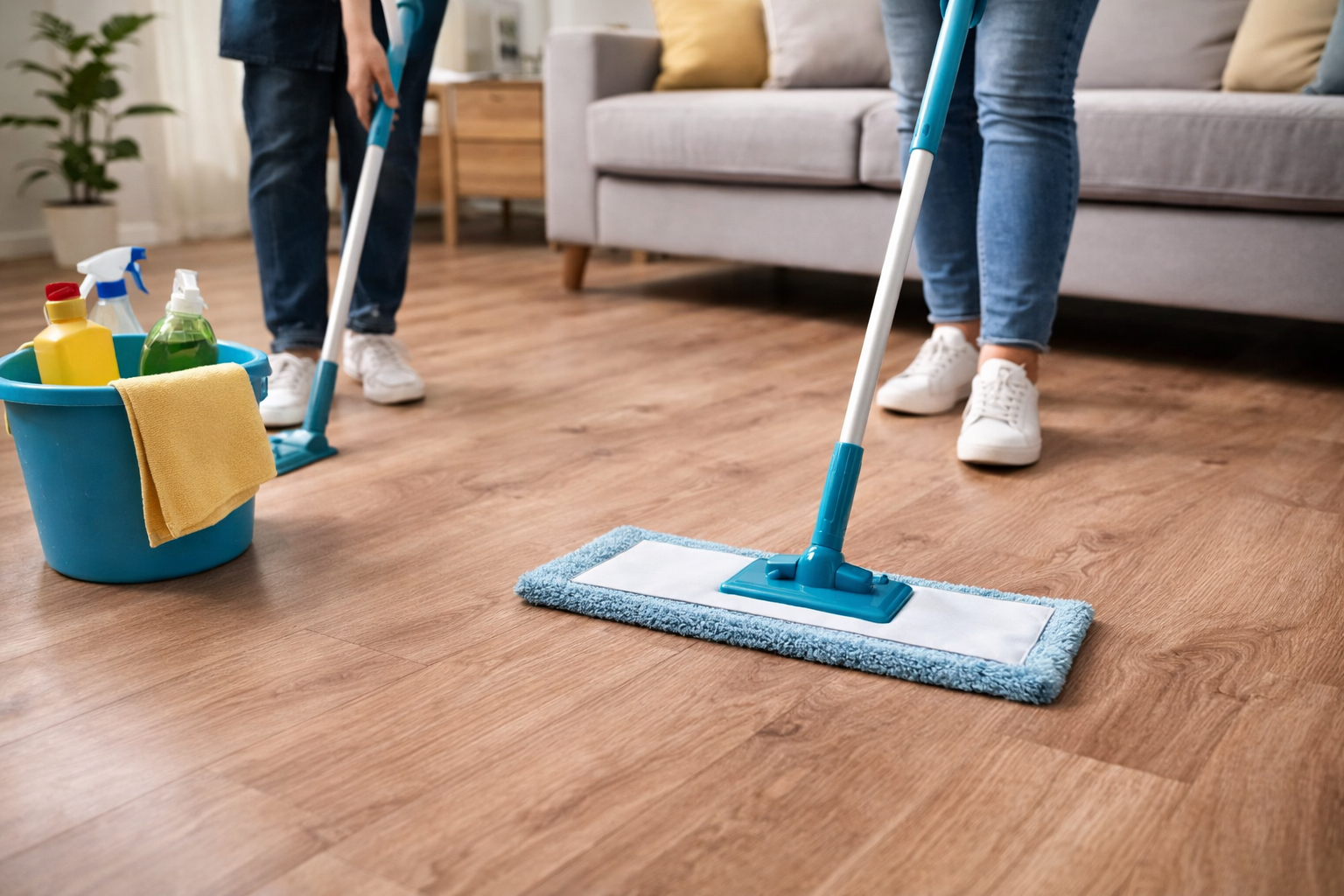
Laminate flooring is durable, stylish, and cost-effective—but only if it’s maintained correctly. Unlike hardwood, laminate has a protective top layer that can be easily damaged by excess moisture, harsh chemicals, or improper tools. This guide breaks down exactly how to clean laminate floors safely and efficiently.
Read more
Upholstered furniture collects dust, body oils, spills, and odors much faster than most homeowners realize. Over time, even a well-maintained sofa can begin to look dull, feel sticky, or develop stains that regular vacuuming cannot remove. Professional upholstery cleaning is highly effective, but many homeowners first look for safe and affordable ways to clean their sofa using simple ingredients they already have at home. In this guide, we explain how homemade upholstery cleaner solutions work, when they are effective, and when they may not be enough to fully restore your furniture.
Read more
Finding a reliable cleaning company in Calgary is not always straightforward. With dozens of providers offering similar services, it can be difficult to understand which companies deliver consistent quality, trained staff, and professional results — and which rely on rotating crews, contractors, or franchise systems. Calgary homeowners today are looking for more than just basic cleaning. They want trusted professionals, transparent pricing, fully trained teams, and companies that are accountable for their work. Service quality, reliability, and long-term consistency have become the most important factors when choosing a cleaning company. In this guide, we reviewed the top cleaning companies in Calgary based on real customer experiences, business structure, training standards, and overall reliability. This list will help you understand which cleaning companies offer the most dependable service — and why locally owned, fully trained teams are becoming the preferred choice for Calgary homeowners
Read more
